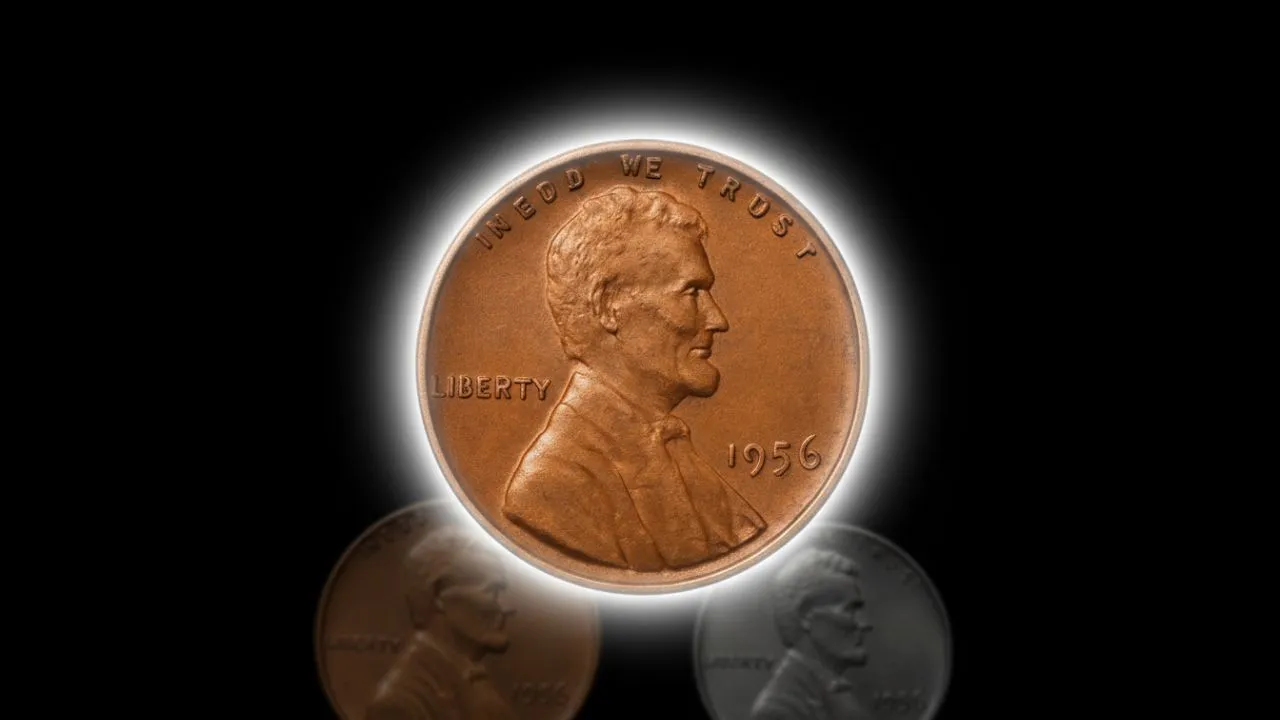
The Lincoln Wheat Penny, minted from 1909 to 1958, remains one of the most beloved and widely collected U.S. coins. Featuring Abraham Lincoln on the obverse and two wheat stalks on the reverse, these pennies are often found tucked away in jars, drawers, and old collections. Over the past decade, interest in Wheat Pennies has surged, driving notable value changes—especially for key dates, rare mint marks, and high-grade examples. This guide breaks down how values have evolved, what drives prices, and which coins have become collectors’ dreams.
Why Wheat Pennies Still Matter
Wheat Pennies are popular for three main reasons:
-
Historical significance—they span two World Wars and the Great Depression.
-
Accessibility—many dates are affordable, making them great for beginners.
-
Hidden rarities—certain years, mint marks, and errors can be worth thousands.

Over the last 10 years, the coin market has seen renewed enthusiasm, fueled by online communities, grading transparency, and growing demand for tangible collectibles.
General Value Trends (2016–2025)
-
Common-date Wheat Pennies (circulated):
Typically ranged from 2¢ to 10¢ each. Bulk prices rose modestly as demand increased. -
Uncirculated common dates:
Increased from roughly $1–$3 to $3–$8, depending on luster and grading. -
Key dates and semi-keys:
Saw the strongest appreciation—often 30%–100%+ over the decade in higher grades. -
Certified (graded) coins:
Professional grading (PCGS/NGC) boosted confidence and prices, especially for MS-65+ coins.
Top Wheat Pennies That Gained Value
Here are standout coins that became “dream finds” in the past 10 years:
-
1909-S VDB
- 2015–2016: ~$700 (VF)
- 2025: $1,000–$1,800+ (VF–XF), much higher in Mint State
Why it surged: Iconic first-year issue with limited mintage. -
1914-D
- Then: ~$200–$300 (VF)
- Now: $500–$1,200+ depending on grade
Why it surged: Tough Denver mintage and constant collector demand. - 1922 “No D”
- Then: ~$500 (Good)
- Now: $1,000–$10,000+ (depending on die pair and grade)
Why it surged: Famous mint error with dramatic scarcity. - 1931-S
- Then: ~$70–$100
- Now: $150–$400+
Why it surged: Low mintage and popularity among set builders.
Errors and Varieties: The Big Winners
Error coins have been the fastest risers in the past decade:
-
1955 Doubled Die Obverse: From ~$1,200 to $2,500–$5,000+

-
1943 Bronze (Copper) Penny: Continues to sell for six figures
-
1944 Steel Penny: Regularly fetches $75,000+ in auctions
These coins are rare, dramatic, and heavily documented—perfect storm for value growth.
What Drives Wheat Penny Values Today
Several factors influence prices:
- Condition (Grade): Mint State coins command huge premiums.
- Rarity: Low mintage or survival rates matter more than age alone.
- Authentication: Certified coins sell faster and for more.
- Market sentiment: Interest spikes during economic uncertainty.
- Online visibility: Auctions and social media have expanded the buyer pool.
Are Wheat Pennies Still a Good Investment?
While not every Wheat Penny will make you rich, the category has proven stable and resilient. Over the last 10 years:

- Key dates outperformed inflation.
- High-grade examples saw consistent appreciation.
- Entry costs remain low for beginners.
- For collectors, Wheat Pennies offer a rare mix of affordability, history, and upside potential.
Final Thoughts: The Dream Is Still Alive
The past decade has shown that Wheat Pennies are far from obsolete pocket change. Whether it’s a worn 1914-D or a brilliant uncirculated 1958, these coins continue to captivate collectors and investors alike. With patience, knowledge, and a bit of luck, the dream of finding a valuable Wheat Penny is still very real—making this classic series as exciting today as ever.
FAQ: The Value of Wheat Pennies (Past 10 Years)
Q1. What are Wheat Pennies?
Wheat Pennies are U.S. Lincoln cents minted from 1909 to 1958, featuring wheat stalks on the reverse side.
Q2. Have Wheat Penny values increased in the last 10 years?
Yes. Key dates, rare mint marks, errors, and high-grade coins have seen strong value growth over the past decade.
Q3. Are all Wheat Pennies valuable?
No. Most common circulated Wheat Pennies are worth 2–10 cents, while rare examples can be worth hundreds to thousands of dollars.
Q4. Which Wheat Pennies gained the most value?
Coins like the 1909-S VDB, 1914-D, 1922 No-D, and 1955 Doubled Die saw the biggest increases.
Q5. Do condition and grading matter?
Yes. Mint State and professionally graded Wheat Pennies are far more valuable than worn coins.
Q6. Can Wheat Pennies still be a good investment?
They can be a solid long-term collectible, especially key dates and certified coins, but most are better collected for history than quick profit.
Q7. Can I still find valuable Wheat Pennies in circulation?
It’s rare, but possible. Old collections, coin jars, and estate finds are the best places to look.
