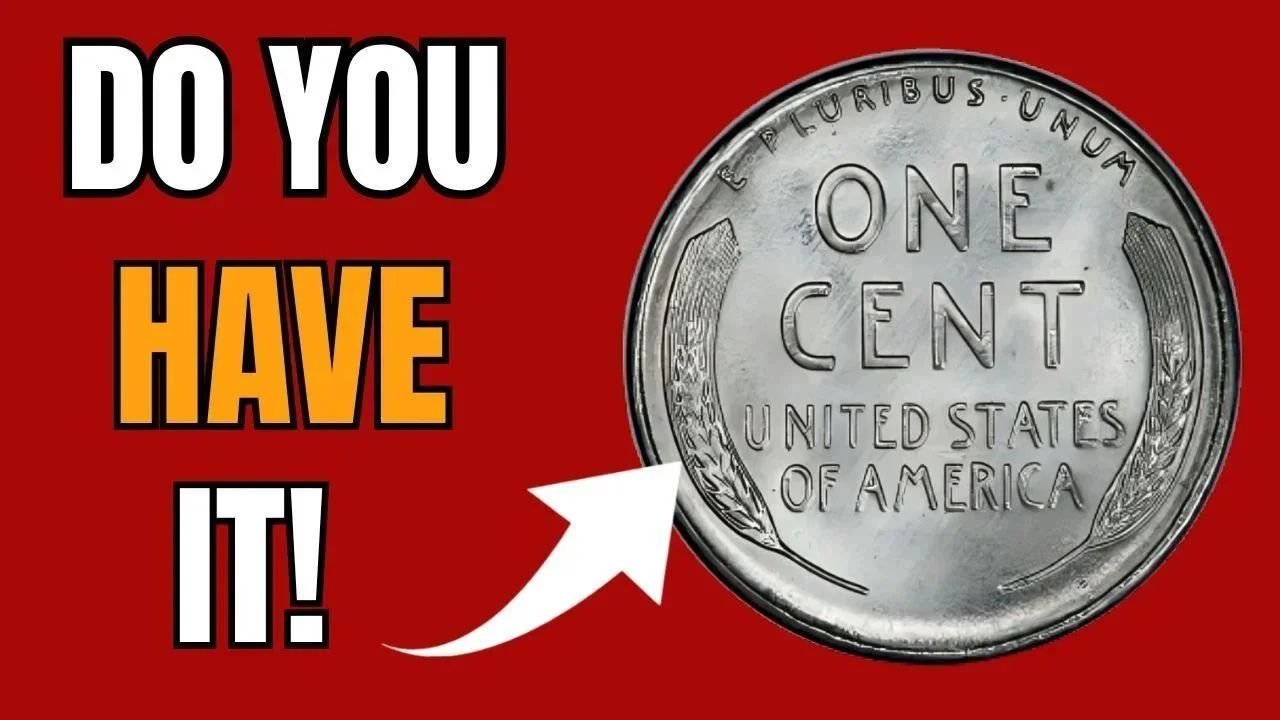
For coin collectors, the Lincoln Wheat Penny is one of the most iconic and sought-after coins in U.S. history. Introduced in 1909 to honor President Abraham Lincoln’s 100th birthday, it was minted until 1958 and features Lincoln’s portrait on the obverse and two wheat stalks on the reverse. While most Wheat Pennies are worth just a few cents, certain dates and rare varieties can be worth thousands — or even millions — of dollars. This guide will help collectors understand the value of Wheat Pennies through the years.
Most Collectible and Valuable 1976 Bicentennial Quarters Still Circulating
Key Factors Affecting Wheat Penny Value
Several elements influence a Wheat Penny’s worth:
- Year and Mint Mark: Coins from certain years and mints are rarer. Look for Philadelphia (no mint mark), Denver (D), and San Francisco (S).
- Condition: Coins in uncirculated or proof condition are far more valuable than worn examples.
- Rarity and Errors: Misstrikes, double dies, or bronze anomalies significantly increase value.
- Historical Significance: First-year coins (1909) and pennies with the VDB initials are especially prized.
Factors That Determine Value
Let’s be honest — not every Wheat Penny will make you rich. Most are worth just a few cents. But certain factors can dramatically affect value:

| Factor | Description | Impact on Value |
|---|---|---|
| Year & Mintmark | Some years/mints had very low production (e.g., 1909-S VDB). | High |
| Condition (Grade) | Coins graded MS65+ or proof versions are extremely valuable. | High |
| Errors/Varieties | Misprints like double dies or missing mint marks boost worth. | Very High |
| Metal Composition | Copper vs. Steel — copper generally commands more. | Medium |
| Historical Context | Wartime or rare-era issues are more collectible. | Medium |
Wheat Penny Values by Decade
1909–1919: The Early Years
-
1909 VDB (Philadelphia and San Francisco): Highly collectible; can range from $500 to $1 million+ for perfect specimens.
-
1914-D: Extremely rare; uncirculated coins can exceed $50,000.
1920–1929: Growing Popularity
-
Most pennies are modestly priced at $1–$10 in circulated condition.
-
1922 No D (Philadelphia die error) is rare; high-grade coins fetch $10,000+.
1930–1939: The Great Depression Era
-
Common years are low in value.

-
1931-S is notable; uncirculated coins can reach $1,500+.
1940–1949: War-Time Coins
-
1943 Bronze Penny: Accidental production on bronze instead of steel; can reach $1.7 million+.
-
1944 Steel and 1944-D/S bronze varieties are valuable for collectors.
1950–1958: The Final Years
-
Most circulated pennies are worth 5–25 cents.
-
Rare errors or proof coins may fetch hundreds or thousands.

Tips for Collectors
-
Inspect Mint Marks Carefully: Some mint marks significantly increase value.
-
Handle Coins Properly: Use gloves or hold by edges to prevent damage.
-
Check for Errors: Misstrikes, doubled dies, and unusual metals can make ordinary pennies extraordinary.
-
Get Professional Grading: Companies like PCGS and NGC provide authentication and grading, which increases market value.
Why Collect Wheat Pennies?
Wheat Pennies are not only a historical treasure, representing over half a century of U.S. coinage, but they also offer potential financial rewards for the observant collector. From rare 1909 VDBs to 1943 bronze anomalies, each penny tells a story.

Final Thoughts
Whether you’re a novice collector or a seasoned numismatist, understanding Wheat Penny values through the years is essential. While most pennies remain everyday change, a few can be worth a fortune. With a keen eye and careful handling, your Wheat Penny collection could hold hidden treasures from American history.
FAQs: Wheat Penny Values Through the Years
Q1. What is a Wheat Penny?
A Wheat Penny is a U.S. one-cent coin minted from 1909 to 1958, featuring Abraham Lincoln on the obverse and two wheat stalks on the reverse.
Q2. Why are some Wheat Pennies so valuable?
Rarity, mint errors, low mintage years, and coins in pristine condition make certain Wheat Pennies worth thousands or even millions of dollars.
Q3. What are the most valuable Wheat Pennies?
- 1909-S VDB
- 1914-D
- 1922 No D
- 1943 Bronze
These coins are rare and highly sought after by collectors.
Q4. How can I identify a valuable Wheat Penny?
Check the year, mint mark, metal composition, and look for errors or unusual features. Coins in uncirculated condition are especially valuable.

Q5. Should I get my Wheat Penny graded?
Yes. Professional grading by PCGS or NGC confirms authenticity and condition, significantly increasing the coin’s market value.
